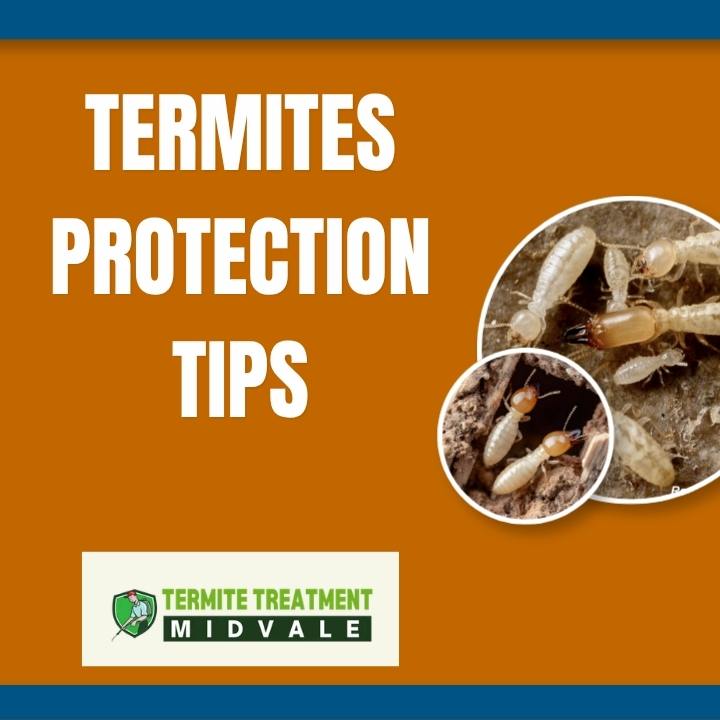
Termite Treatment Tips for Long-Term Property Protection
Homeowners are becoming more proactive with termite treatment tips for long-term property protection from these hidden pests that can destroy houses, wooden structures, fences and decks. This is why termites are dangerous, they can operate silently in timber, soil, crevices inside the wall, floor or moisture-prone delimitations. Since many homeowners do not spot the problem until damage can be seen, early treatment and regular inspection are crucial.
Termite protection involves controlling moisture, maintaining wood, and clearing debris and garden waste around the home.
Termites use underground pathways, so property owners should not rely solely on surface cleaning. Longer-term prevention needs ongoing maintenance of both indoor and outdoor locations.
Inspect Timber Regularly
This is one of the key steps in termite control and is called timber inspection. Always check on wooden floors, skirting boards, window frames, door frames, roof timber, just outdoors timber decks and pergola/hedge fences.
Signs of termites in woodwork include soft timber, hollow sounds, mud tubes, bubbling or peeling paint, damaged edges, tight doors or windows, and small holes in the wood.
These signs may show past termite or moisture damage. Early inspection can catch small problems before they become costly structural damage.
Control Moisture
Moisture provides an ideal environment for termites. Leaking taps, broken pipes, blocked gutters, poor drainage, damp soil and wet garden beds can all heighten the risk of termite attacks at home.
Fix leaks quickly and keep water away from walls and foundations. Make sure downpipes direct rainwater away from the building. A dry environment helps deter termites and other pests.
Clean Garden Waste
Termites are attracted to garden waste whenever you keep it close to the house. Termites are attracted to dead vegetation and timber, including tree stumps, leaves, cardboard and even wood piles because they can retain moisture and can also be a food source.
Waste outside should be taken away on a day-to-day basis. Store firewood away from walls and raise it off the ground. When you have a junky backyard, it makes inspection easier and cuts the chances of having structural termites near your home.
Keep Soil Clear
Termites often walk through wood touching the soil, which gives them an easy road into the structure. There should be no direct contact with wet soil of deck supports, fence posts, wall cladding, and timber steps.
Having a gap between soil and timber allows both homeowners and pest control professionals to see the first signs of active termite movement. Garden beds should be kept lower than wall vents and not placed directly against timber edges.
Maintain Gutters
Blocked gutters can lead to water spilling over on walls, roof edges and foundation areas. This added moisture can lead to conditions conducive to termites on or near the property.
Gutters need to be cleared of leaves, dirt and debris regularly. Downpipes should be functioning and directing moisture away from the house. Proper gutter maintenance contributes to termite prevention and overall property care.
Protect Outdoor Timber
It is outdoors and exposed to rain and soil, so it needs regular maintenance. Damaged or untreated decks, fences, pergolas, garden edging, and sheds can attract termites.
Save timber by painting, sealing, repairing or replacing as necessary. Yes, treated timber mitigates risk. Proper care for outdoor structures helps them last longer.
Seal Entry Points
Termites access via cracks in walls/gaps at wall joints/openings for pipes and space around utility lines, or through any opening they find. These small openings can also provide secret entry ways for timber to soil.
It is important to seal any visible gaps and get damaged areas repaired well. Keep edges clear of building debris, as this will help identify any termite activity. Keep the structure that serves as your pest boundary neat
Schedule Professional Inspections
Now, while your home might look safe from the outside, termites could be going about their nasty business in hidden cavities behind walls or under floors or up inside roof spaces.
A termite control technician can inspect areas where termites are commonly found, moisture zones, wooden structures and outdoor risk locations. Constant monitoring can catch issues early, allowing for improved treatment choices.
Use Expert Treatment
Termites can be eradicated safely and effectively on a recurring schedule with professional termite treatment, whether it is because signs appear or before termites invade unprotected properties. DIY is not up to reaching hidden colonies or conduit systems underground.
A pest control specialist will be able to suggest an appropriate treatment based on the condition of your property. Professional services provide more support than standard cleanings and help keep homes free of future property concerns regarding termites.
Pest Control Support
Termishield Termite Treatment Midvale offers all pest control services in Midvale and surroundings. Feel free to contact us at (08) 6275 6571 or visit our website:
https://termishieldtermitetreatment.com.au/